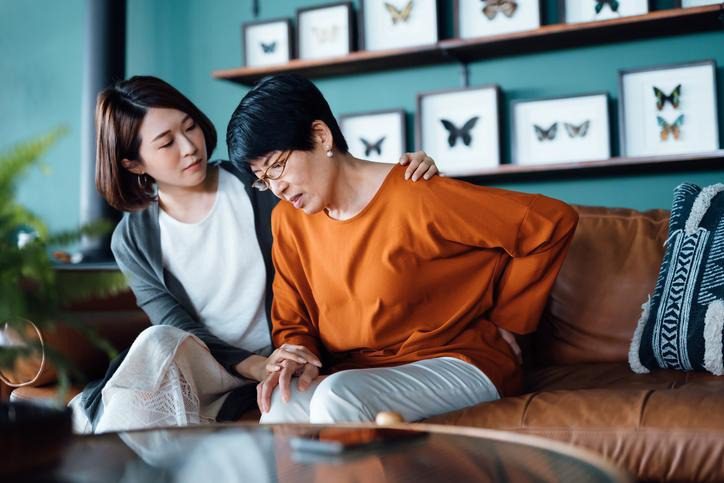
February is a time when we often celebrate love, connection, and the people who support us through life’s challenges. For millions of families, that support includes caring for someone living with chronic back or spine pain. Whether you are a spouse, adult child, partner, sibling, or friend, caregiving can be both deeply meaningful and incredibly demanding.
Chronic back pain is one of the most common and disabling health conditions worldwide. Unlike a broken bone or a visible injury, spine-related pain is often invisible. That invisibility can make caregiving uniquely complex. Understanding the physical, emotional, and practical realities of chronic spine pain can help you provide better support — while also protecting your own well-being.

Understanding Chronic Back Pain
Back pain becomes “chronic” when it lasts longer than three months. It may be caused by conditions such as:
- Degenerative disc disease
- Spinal stenosis
- Herniated discs
- Scoliosis or spinal deformity
- Arthritis of the spine
- Prior spine surgery
- Nerve compression (sciatica)
Chronic pain can fluctuate. There may be good days and bad days, and flare-ups can occur without warning. This unpredictability is frustrating for patients and caregivers alike.
It’s important to remember that chronic pain is real. Even when imaging tests don’t show dramatic changes, pain signals in the nervous system can become amplified over time. Your loved one is not exaggerating, and they are not “weak.” Chronic pain is a complex medical condition that affects the body and brain.
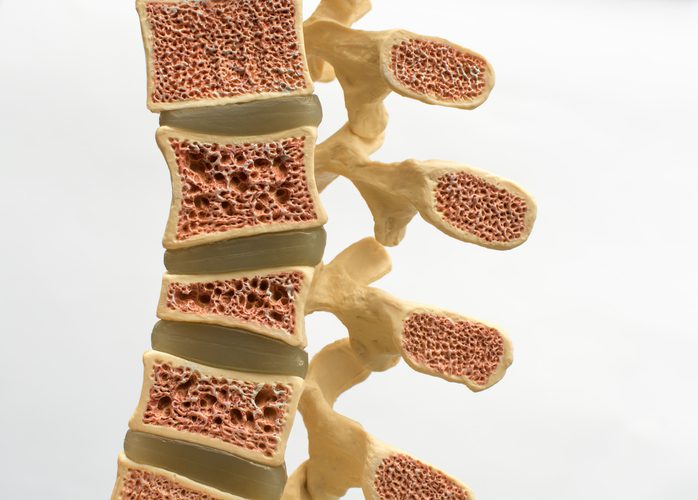
An Often-Overlooked Cause: Osteoporosis and Compression Fractures
For older adults, particularly postmenopausal women and aging parents, chronic back pain may be related to osteoporosis.
Osteoporosis is a “silent” condition that weakens bones over time, often without symptoms until a fracture occurs. In the spine, weakened vertebrae can develop compression fractures. Some happen suddenly after a minor fall. Others occur gradually, even during normal daily activities.
Over time, multiple compression fractures can lead to:
- Persistent back pain
- Loss of height
- A stooped posture (kyphosis)
- Reduced mobility and balance
- Increased risk of future fractures
Because osteoporosis often goes undiagnosed, caregivers play a critical role in recognizing risk factors and advocating for bone health evaluation. Consider encouraging your loved one to speak with their healthcare provider about:
- Bone density testing (DXA scan)
- Calcium and vitamin D intake
- Weight-bearing exercise
- Fall prevention strategies
- Medications that strengthen bone
Prioritizing bone health is not just about preventing fractures — it’s about preserving independence, posture, and quality of life. If you are caring for an aging parent, addressing osteoporosis early can significantly reduce long-term spine complications.
The Emotional Side of Spine Pain
Chronic back pain affects more than mobility — it affects identity, mood, relationships, and independence.
Many people with persistent pain experience:
- Depression or anxiety
- Fear of movement (“What if I make it worse?”)
- Sleep disturbances
- Social withdrawal
- Feelings of guilt about being a burden
As a caregiver, you may notice personality changes, irritability, or sadness. These reactions are common and understandable. Pain is exhausting. When pain interferes with work, hobbies, or family roles, it can create grief for the life someone once had.
One of the most powerful things you can offer is validation. Simple statements like:
- “I believe you.”
- “I know this is hard.”
- “We’ll figure this out together.”
can reduce isolation and emotional distress.

Practical Ways to Help (Without Taking Over)
Caregiving doesn’t always mean doing everything for someone. In fact, maintaining independence when possible is critical for physical and emotional health.
1. Encourage Safe Movement
Avoiding activity entirely can worsen spine pain and accelerate bone loss. Gentle, regular movement helps maintain strength, flexibility, balance, and circulation.
You can:
- Take short walks together.
- Support a physical therapy or home exercise program.
- Encourage light weight-bearing exercises if appropriate.
Movement should be guided by a healthcare professional, especially if osteoporosis or fractures are involved.
2. Support Medical and Bone Health Care
Chronic spine conditions often require ongoing management. You can assist by:
- Attending appointments (if welcomed)
- Taking notes during visits
- Helping track symptoms
- Discussing fall risks and bone density testing
If an older loved one has experienced even minor height loss or increasing stooped posture, it may be worth asking about possible vertebral compression fractures.
3. Modify the Home Environment
Small adjustments can reduce strain and prevent falls:
- Add supportive seating or lumbar cushions
- Improve lighting in hallways and stairways
- Install grab bars in bathrooms
- Remove loose rugs
- Keep frequently used items at waist height
For individuals with osteoporosis, fall prevention is one of the most powerful protective measures.
4. Respect Boundaries
Ask before helping. Preserving dignity matters:
- “Would you like help with that?”
- “How can I support you today?”
Caregiving is partnership, not control.
Mindfulness for Patients and Caregivers
Chronic pain affects the nervous system, and stress can amplify pain signals. Mindfulness techniques — simple, non-religious awareness practices — can help both patients and caregivers regulate stress responses.
Consider trying together:
Gentle Breathing Exercises
Slow breathing (in for four counts, out for six) for five minutes can calm the nervous system.
Body Scan Awareness
Lying or sitting comfortably, slowly notice areas of tension without trying to change them. This builds awareness without fear.
Guided Imagery
Listening to a short, guided relaxation recording before bed can improve sleep quality.
These techniques do not eliminate structural spine problems. However, they can reduce stress, improve coping, and strengthen emotional resilience — for both of you.
When to Encourage Medical Evaluation
While chronic pain can fluctuate, certain symptoms warrant prompt medical attention:
- New or worsening leg weakness
- Loss of bowel or bladder control
- Numbness in the groin area
- Severe pain after a fall
- Sudden back pain in someone with known osteoporosis
If pain significantly worsens or mobility declines, re-evaluation may open new treatment options.
Avoiding Caregiver Burnout
Caregivers often focus entirely on the person they are helping — and neglect themselves. Chronic stress can lead to:
- Fatigue
- Irritability
- Sleep problems
- Social withdrawal
Prioritize your own health appointments. Take breaks when possible. Accept help from others. Caregiving is a marathon, not a sprint.
Support groups — especially those focused on chronic pain or aging parents — can provide reassurance that you are not alone.
Don’t Forget the Power of Joy
When someone lives with chronic pain, life can begin to revolve around symptoms. Intentionally creating moments of enjoyment is not denial — it is therapeutic.
Fun does not need to be strenuous. Consider:
- Short scenic drives
- Listening to favorite music together
- Playing simple board or card games
- Watching a favorite comedy
- Gardening in raised beds
- Gentle chair yoga classes
- Attending a grandchild’s recital or school event
Laughter, connection, and distraction can temporarily shift attention away from pain signals. Positive experiences stimulate brain pathways that counter stress and improve mood. Caregiving relationships benefit from shared enjoyment that is not centered on illness. Protecting these moments helps preserve identity and connection.
Holding on to Hope
The field of spine care continues to evolve. Advances in surgical techniques, rehabilitation strategies, pain management approaches, and research are improving outcomes for many patients. Not every person with chronic back pain will need surgery — and for those who do, modern techniques are often less invasive and more targeted than in the past.
But hope does not depend solely on procedures. Many people learn to manage chronic spine conditions successfully through comprehensive, individualized care plans.
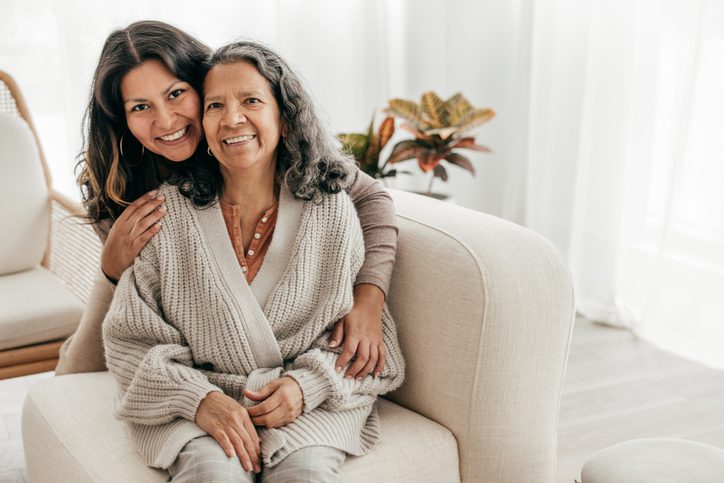
As a caregiver, your presence matters more than perfection. You don’t need to have all the answers. You don’t need to fix the pain. Your steady support, patience, and advocacy make a measurable difference.
A Final Word to Caregivers
If you are caring for someone with chronic back pain — whether from degenerative conditions, spinal deformity, or osteoporosis-related compression fractures — know this: your role is vital.
You are part of the care team. Your advocacy for bone health, safe movement, medical follow-up, and emotional support can meaningfully shape outcomes.
At the same time, your well-being matters just as much.
Caregiving is not about sacrificing yourself. It is about partnership, compassion, and sustainable support. By understanding spine health, prioritizing bone strength, incorporating mindfulness, and making space for joy, you strengthen both your loved one — and yourself.
This February, we recognize caregivers everywhere. Your steady presence is powerful medicine.